Donkey Milk Cosmetics Open a New Opportunity in Brazil’s Northeast
Brazil’s Northeast has the country’s largest population of donkeys, animals historically associated with work and transport in the semi-arid region. A business that began with a childhood allergy is cited in a report on the use of donkey milk in beauty products, a market that has developed in Europe and is expanding in Chile.
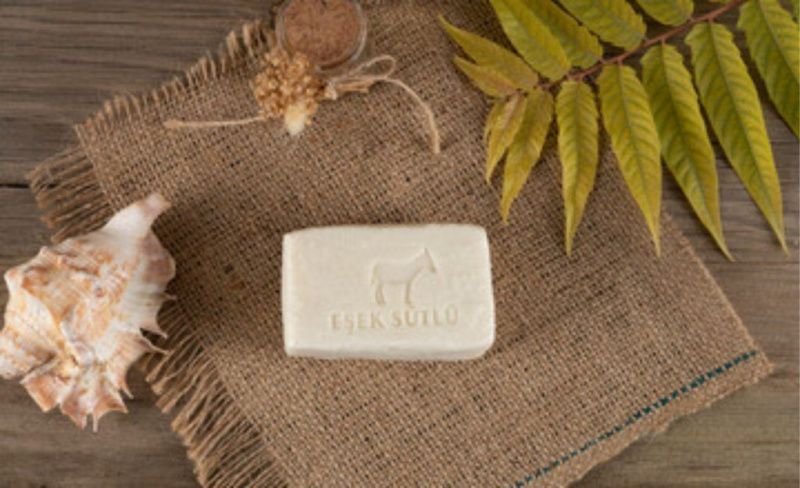
In France, Ém’ane incorporates fresh donkey milk into its formulas, with the ingredient accounting for as much as 10% of some creams and 15% of its soaps. Belgium’s Naturâne uses milk from its own herd. Companies in Italy and elsewhere in Europe operate with different production and sales models as the market develops.
Researchers are also studying the milk’s cosmetic applications. It contains fatty acids, vitamins and amino acids. Experimental work is examining products intended to moisturise and protect the skin, as well as possible effects on the skin barrier and photoageing.
In southern Chile, entrepreneur Paula Saez runs Feld Esel with six donkeys that she raises herself. The company makes creams, soaps, shampoo and conditioner from milk collected on her property. Saez recently presented the business in Brazil at Expointer, an agricultural fair held in Esteio, in Rio Grande do Sul.
Saez said consumers had initially been unfamiliar with the product, but that acceptance had been high and customers had returned to buy it. She identified moisturisation and improved skin elasticity among the attributes most frequently mentioned by buyers, alongside the direct contact maintained between the brand and its customers.
Alex Bastos, a zootechnician and agricultural administrator, said the Chilean example and the European market provide references for Brazil’s semi-arid region. He described milk production as a possible new activity within the donkey production chain, alongside breeding, genetic selection and reproduction, as well as products with greater added value. Bastos said that applying the model in Brazil would require suitable animal management, selection for milk-producing ability, technical assistance, sanitary controls and compliance with the country’s regulations. Feld Esel’s operation, supported by six animals, shows the scale at which one business has entered the market, while planning and technical and sanitary procedures remain part of the model described.