Darwin buffalo exports to Indonesia remain strong on feeder and breeder demand
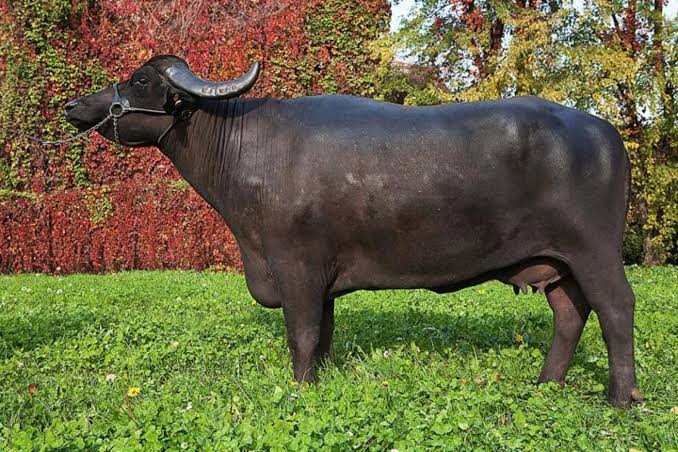
Indonesia is the principal destination for buffalo shipped through Darwin to Southeast Asia. The trade draws livestock from pastoral properties, Indigenous holdings and floodplains in Arnhem Land and elsewhere in the Top End. Export activity has remained steady despite changes in wider economic conditions and fluctuations in northern Australia’s live-cattle shipping business. Buffalo exports form a specialised part of the Northern Territory’s livestock industry, involving station operators, livestock handlers and transport businesses.
Australian buffalo supplied to Indonesian buyers include swamp buffalo and river crossbreeds. The animals are valued for their ability to withstand tropical conditions, resistance to ticks and efficient conversion of feed in equatorial feedlots. Indonesian importers use them as a relatively inexpensive source of lean meat. Their meat enters traditional markets and food-processing channels in Java and Sumatra, contributing to domestic supplies and employment in rural areas.
Exporters must comply with the Australian Standards for the Export of Livestock and the Exporter Supply Chain Assurance System. Buffalo differ from Bos indicus cattle in their behaviour and tolerance of stress, requiring equipment and handling suited to those characteristics. Facilities at Darwin and on livestock vessels use reinforced stock crates, slip-resistant ramps and experienced handlers. Feeding, drinking-water provision and ventilation during the short voyage are part of the arrangements for maintaining animal condition before veterinary and biosecurity checks at Indonesian arrival ports.
For Top End pastoral businesses, export contracts provide an outlet for livestock and another source of revenue. Farmgate receipts help owners meet debt payments and fund improvements to dry-season pasture, boundary fences and water-distribution infrastructure. The trade also supports work in remote Indigenous communities, including livestock mustering, low-stress handling, road-train transport and the operation of quarantine yards before shipment. These activities bring private-sector spending into northern Australian communities.
Demand encompasses animals destined for feedlots as well as breeding stock for Indonesian livestock programmes. Urban consumption of red meat supports purchases of feeder buffalo, while interest in dual-purpose riverine genetics extends to animals with potential for both meat and milk production. The article identifies buffalo milk, curd and mozzarella as possible areas for dairy development across Southeast Asia through breeding links between the two countries.
Looking towards 2027, the article identifies stable diplomatic relations, clarity over import quotas and sustained breeding partnerships as conditions for maintaining export relationships with Indonesia. It also describes Australian exporters and station managers working to improve herd genetics and investing in more efficient supply chains. Its discussion of cross-border dairy development concerns longer-term opportunities associated with Indonesian interest in riverine buffalo genetics.