Dairy brands adopt beer-style packaging and craft marketing
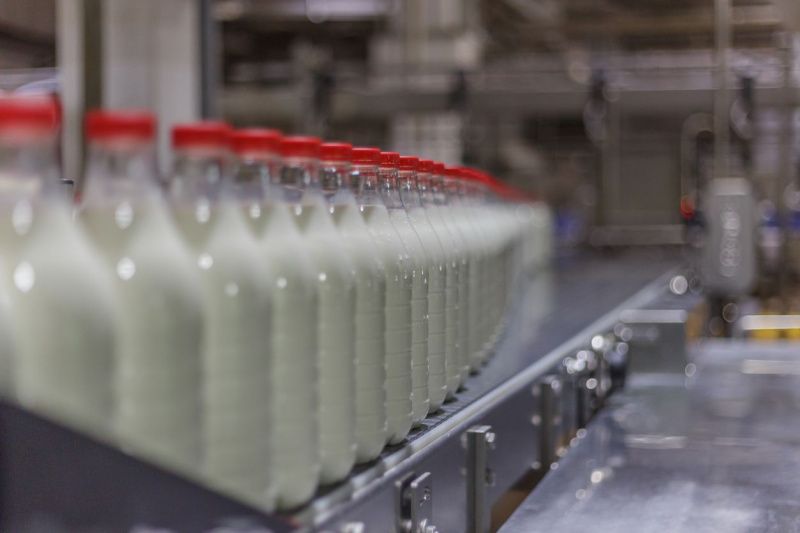
International dairy companies and marketing agencies are exploring ways to recast milk as “the new beer”. The strategy responds to an ageing base of traditional consumers and declining penetration of fluid milk as plant-based alternatives gain ground. Emerging brands and processors are seeking to move milk beyond its established image as a basic, functional product.
Packaging is the most visible part of the shift. Some companies are moving away from cartons and large plastic containers towards single-serve aluminium cans designed for immediate consumption. Their visual language can include restrained colours, minimalist or deliberately unconventional graphics and formats that are easy to carry. The positioning presents cold milk outside the home or workplace as a contemporary product rather than one associated mainly with childhood.
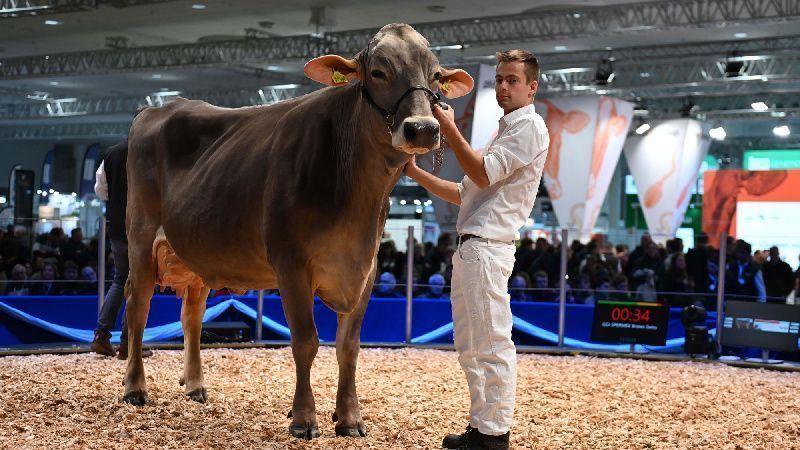
The product narrative also borrows from the specialty-drinks culture built around beer. Marketing materials highlight details about the source and production of the milk, including pasture-based farming, family-run small dairies and particular cattle breeds such as Jersey and Guernsey. They may also identify A2 milk, described in the source as having an easily digestible genetic profile, or pasteurisation methods intended to retain distinctive texture and flavour characteristics.
This language mirrors the way craft-beer consumers are presented with information about terroir, ingredients and production. Milk is described through origin and sensory attributes, including flavour notes and processing choices, rather than solely through standard nutritional or functional claims. The objective stated for the strategy is to differentiate products that have traditionally been treated as interchangeable.
Commercially, the repositioning is intended to reduce the commoditisation of white milk and support higher margins. Brands can place differentiated products in convenience outlets or impulse-purchase areas instead of relying exclusively on the conventional refrigerated dairy aisle. The products therefore compete not only with processed plant-based drinks, but also with energy drinks and bottled coffee. The source says that this positioning can support materially higher retail prices.
The model also changes the basis on which milk producers participate in the value chain. Rather than relying only on volume, farms and technologically equipped dairies can market traceability, animal welfare and freshness as product attributes. According to the source, those characteristics can give farmers access to premiums over the basic milk price and connect them with specialised supply chains. The approach places greater emphasis on the role of farms in a modern food and beverage culture.