Cyberattacks disrupt supermarket refrigeration in 11 EU countries, forcing food destruction
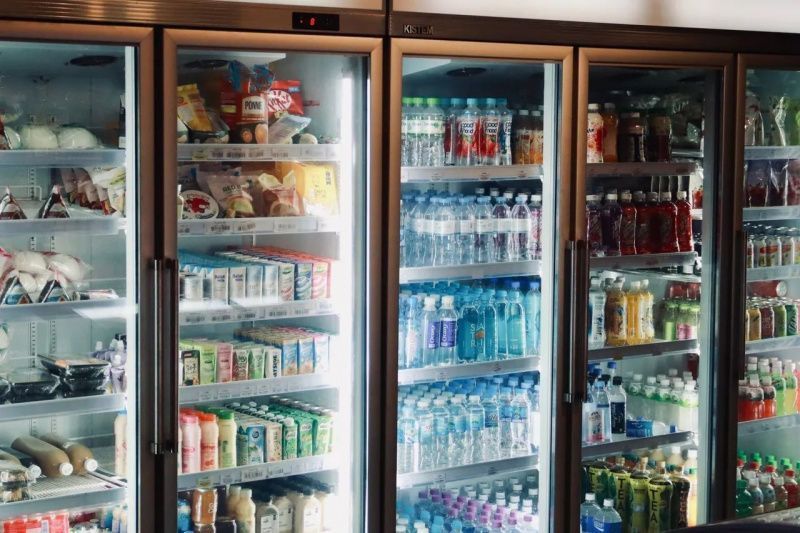
The incidents affected supermarkets in Germany, Romania, Belgium, Estonia, Finland, Ireland, Italy, Luxembourg, the Netherlands, Portugal and Sweden. They followed attacks recorded in France several weeks earlier. Intruders compromised internet-connected equipment used to control and remotely monitor refrigerated displays and cold rooms. They deliberately changed temperature settings without triggering the usual alarms, prompting alerts at the European Commission and food-safety bodies over cybersecurity weaknesses in the retail cold chain.
Coop and ICA were among the retailers forced to empty their dairy displays after temperature changes made products unsuitable for consumption and prevented their legal sale. Retail chains in Sicily and parts of Sweden reported losses amounting to thousands of euros from spoiled inventory and the disposal of organic waste. As an emergency precaution, affected operators disconnected refrigeration controllers from the internet.
Fresh dairy products affected by refrigeration failures include pasteurised drinking milk, cream, soft fresh cheeses and yoghurt. The article describes a cold-chain temperature of 4°C and says that increases to 10–15°C accelerate the multiplication of cold-tolerant bacteria, moulds and pathogens including Listeria monocytogenes. Temperature changes can also destabilise milk-fat emulsions and increase acidity. The processing temperatures cited are above 72°C for pasteurisation and 138°C for four seconds for ultra-high-temperature treatment.
The report also describes commercial disruption beyond the immediate write-offs. Distributors faced additional operational pressure, while retailers' inventory losses reduced trading margins and disrupted scheduled orders to processors. Returns of spoiled goods and temporary suspensions of orders created cash-flow mismatches affecting upstream milk collection. In its account of dairy production costs, the article puts primary farm production at more than 70% of current operating expenditure per litre, citing cattle feed as a major component.
For Mexico, the article examines the use of increasingly digital and automated refrigerated displays in supermarkets and convenience stores. These outlets stock cow's milk and traditional cheeses alongside dairy substitutes containing ingredients such as hydrogenated palm fats, modified starches and imported dried whey. According to the report, preservatives and stabilisers in highly processed substitutes can conceal visible signs of temperature failures, whereas fresh pasteurised dairy products respond immediately to a loss of refrigeration.
The article calls on Mexican dairy processors and livestock associations to audit remote-monitoring systems across mechanised milking facilities, farm cooling tanks, temperature-controlled transport fleets and distribution warehouses. Its proposed measures include separating temperature-control networks from open public internet connections and updating perimeter-security systems. It also advocates incorporating cybersecurity into food-safety procedures across the dairy supply chain.