Cottage Cheese Provides Slightly More Protein Than Greek Yogurt
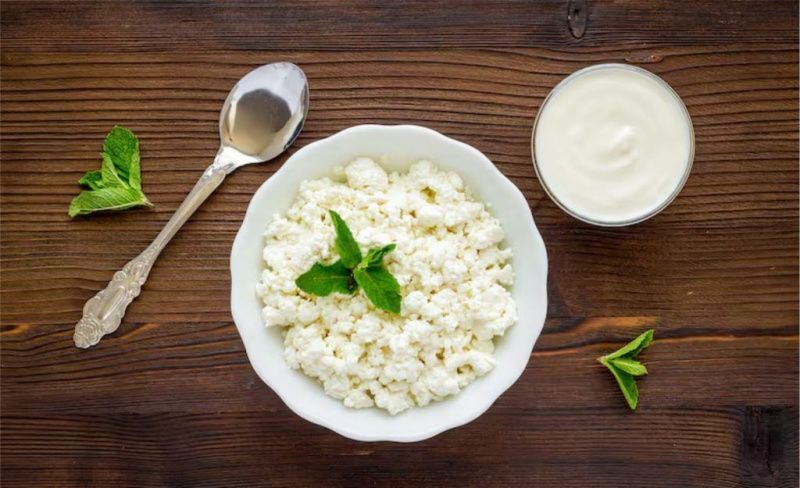
Cottage cheese and Greek yogurt are both made from cow’s milk but are produced differently. Cottage cheese is made from curds, giving it a mild flavour and a grainy texture. Greek yogurt is produced by straining fermented milk to remove whey, creating a thicker and firmer product with a more acidic taste.
USDA figures show that cottage cheese provides 11 grams of protein per 100 grams, along with 83 milligrams of calcium, 104mg of potassium and vitamins A, B12, E and D. Full-fat Greek yogurt supplies 9 grams of protein in the same quantity, as well as 111mg of calcium, 147mg of potassium and vitamins A, B, D and K.
Yael Hasbani, a health coach specialising in inflammation and Culinary Medicine at Harvard University, describes both foods as complete sources of nutrition. She says they contain essential amino acids and proteins with high biological quality. In her comparison, cottage cheese has a modest advantage in protein concentration, although serving habits can affect the amount actually consumed.
A standard pot of Greek yogurt is often eaten in full, while cottage cheese is denser and heavier by portion, meaning consumers may not finish the same amount. Hasbani gives the example of a person weighing 68 to 70kg who needs about 80 grams of protein daily: a 200g serving of Greek yogurt would provide roughly 20 grams, with meat, nuts or pulses supplying additional protein during the day.
The products also differ in their practical uses. Cottage cheese can be eaten alone, with fresh fruit, on toast, or in salads and pasta. Its history is linked to rural practices of using surplus milk left after butter-making; the English name refers to “cottage cheese”. The US National Library of Medicine classifies it as useful in a diet because it is nutritious, contains no added sugars and has no calories from saturated fat.
Greek yogurt is associated with the Balkans, including Greece and Turkey, where straining fermented milk developed into the method used for its dense consistency. It can be used instead of mayonnaise, sour cream or other sauces. Julia Zumpano, a Cleveland Clinic nutritionist, says the coagulation process used for cottage cheese incorporates bacteria beneficial to the gut, but notes that not every cottage cheese contains probiotics. Consumers should therefore check labels for live and active cultures.
Greek yogurt is fermented by definition and generally contains live cultures and probiotics. It also tends to have less sodium than cottage cheese, although the level varies by industrial use of salt as a preservative. Hasbani recommends pairing cottage cheese with wholegrain bread or fibre-rich foods such as tomatoes and rocket, partly because of its higher sodium content. A study cited in the report linked higher yogurt consumption with greater bone-mineral density and better physical function among older adults; the report also cited evidence associating 100g of yogurt a day with mood benefits through links between gut bacteria and neurotransmitters including serotonin and dopamine.
For maintaining muscle mass, Hasbani says both products serve the purpose. She describes the final choice as primarily a matter of texture and flavour rather than nutrition.