Consumers Are Returning to Whole and Ultrafiltrated Milk
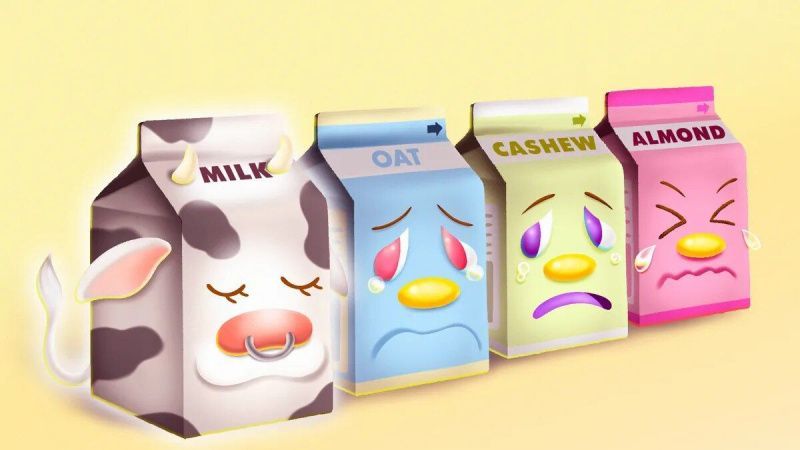
Traditional cow’s milk is regaining commercial visibility after years in which oat, almond and soy drinks expanded across supermarket shelves. EDairy News Mexico reported on September 29 that milk was being repositioned in some markets from a basic commodity into a functional, higher-value beverage. The report linked the change to younger consumers and people interested in sports nutrition.
Plant-based alternatives are facing what the report describes as growing consumer fatigue with long ingredient lists and extensive processing. Some products use refined vegetable oils, gums, thickeners and added simple sugars to reproduce the texture of dairy milk. The report also contrasted their protein content with the more readily available protein in conventional milk.
Whole milk has benefited from a change in the way consumers view dietary fat. The report said buyers were placing greater emphasis on the satiety associated with butterfat, as well as vitamins A, D, E and K. It also cited the taste and texture of whole milk in specialty coffee and everyday cooking as factors in its renewed appeal.
Technology has created another growth segment through ultrafiltrated and specialised milks. Brands such as Fairlife, owned by The Coca-Cola Company, use membrane-based separation to concentrate milk protein and calcium while reducing lactose and simple sugars. The process has enabled manufacturers to market milk as a functional product with a price position closer to ready-to-drink protein supplements.
The report said the premium segment was providing dairy processors with a way to develop products beyond standard supermarket milk. Examples included higher-protein lines, products linked to sustainable grazing and ranges carrying certified animal-welfare claims. These offerings place greater emphasis on added value than on selling milk solely as a low-margin commodity.
The renewed interest in dairy is occurring alongside a reassessment of assumptions about saturated fat that were influential in the 1980s and 1990s. According to the report, consumers are now seeking whole milk, concentrated nutrition and less processing, while ultrafiltration is being used to tailor the nutritional composition of dairy products. The source was identified as El Financiero and Bloomberg Businessweek.