Cardinaals study: milk and soy drink score 0.27 in nutrient-profile similarity
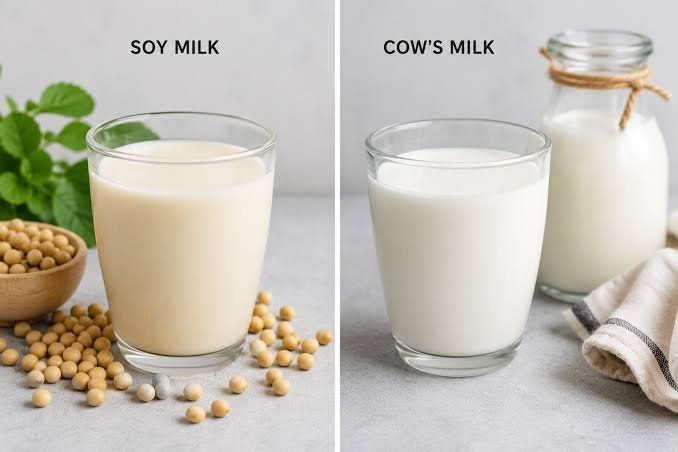
The researchers used cosine similarity to compare nutritional composition across several nutrients at once. This mathematical technique measures the alignment of two sets of values and produces scores between zero and one. Higher scores indicate closer resemblance: one denotes identical direction in the profiles being measured, whereas values approaching zero indicate little resemblance. The analysis applies this approach to foods that may share a dietary category or supply comparable quantities of protein.
Among the examples reported, peanut butter compared with almonds scored 0.94, while mozzarella compared with egg scored 0.89. The pairing of milk with mozzarella returned 0.80. Lower values included 0.34 for peanut butter compared with brown beans and 0.39 for chicken fillet compared with salami. The examples cover comparisons within animal-derived foods, within plant-derived foods and between the two groups.
Milk's nutritional composition includes calcium, riboflavin and vitamin B12 alongside protein. The composition of plant-based beverages depends on the ingredients used, production methods and nutrient enrichment. According to the study summary, examining protein alone can leave these other differences unaccounted for when assessing potential food substitutions. The researchers' approach instead compares several essential nutrients within a single numerical framework.
The article accompanying the findings notes that soy beverages vary in their protein concentration, added sugar, calcium enrichment and vitamin fortification. It recommends assessing individual formulations using their specific nutritional information. Ingredients and processing also influence composition across the broader range of animal-derived and plant-derived products. These variations are relevant when comparing foods sold or consumed within the same general category.
The comparisons extend to foods commonly selected as protein sources. Chicken fillet and salami had different nutrient profiles despite both being meat products, while peanut butter and brown beans also showed limited similarity under the measure. The article notes that changing foods can alter dietary intake of vitamins, minerals and fats as well as protein. It identifies product formulation, processing and ingredient choice as factors shaping those differences.
The article identifies food development, dietary assessment and nutrition education as potential applications of the method. It suggests that manufacturers and nutrition professionals could use multi-nutrient comparisons to identify nutrients requiring attention when formulating alternatives. Such comparisons could also inform explanations of compositional differences between dairy products and plant-based beverages. For consumers considering substitutions, the article recommends checking nutritional labelling alongside their dietary requirements.
The assessment of a replacement also involves portion size, nutrient bioavailability, fortification and the composition of the overall diet, according to the article. Affordability and a person's nutritional requirements are further considerations. The cosine score describes resemblance within the selected nutrient data; evaluating healthfulness and dietary suitability involves these additional factors. The article presents the method as one component of assessing foods for different dietary roles.