Bufalier introduces buffalo milk and artisanal dairy products in Tapachula
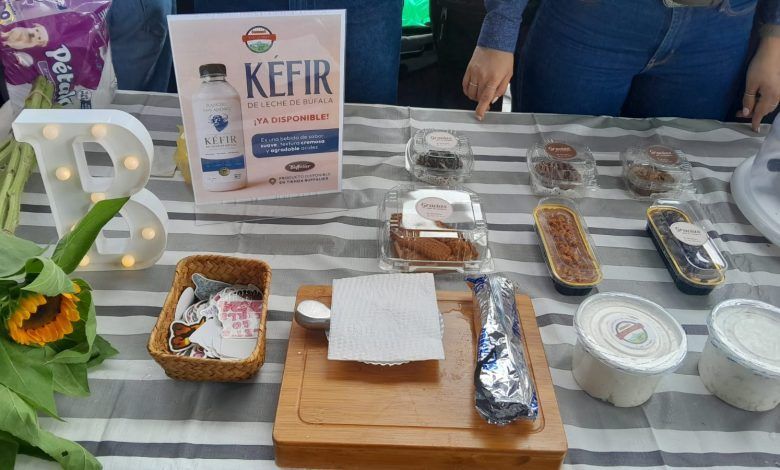
The range described in the Noticias de Chiapas report includes Chiapas-style double-cream cheese, probiotic kefir, plain yoghurt without added sugar and specialist baked goods. A dedicated outlet on the Par Vial de la 9ª Sur in Tapachula sells directly to consumers. Tastings and information about the products' nutritional characteristics are used to familiarise customers with dairy foods from a less conventional livestock species. The business operates in southern Chiapas, where the report describes competition from dairy substitutes and imitation products in retail outlets.
Buffalo milk generally contains between 7% and 9% butterfat, approximately twice the level commonly found in cow's milk, according to the report. Its concentration of fat and other solids supports cheese production and gives yoghurt and other preparations a thick, creamy consistency without synthetic thickeners. The report also describes higher protein and calcium concentrations than in conventional cow's milk, alongside a lower proportion of cholesterol per gram of fat. It links the milk's nutritional composition and protein-micelle structure to favourable digestibility for consumers with gastrointestinal sensitivity to conventional dairy products.
Water buffalo (Bubalus bubalis) are suited to the humid tropical conditions of Chiapas, the report says. They can use flood-prone pasture and fibrous forage of limited agricultural value. Their feeding requirements include smaller quantities of commercial concentrates than those of specialised dairy cattle, and their reproductive lifespan is longer. The report associates these characteristics with lower exposure to rising agricultural-input and compound-feed costs, and with an operating-cost structure that is easier for farms to absorb on a per-litre basis.
Processing starts with measures to preserve the microbiological stability of freshly collected milk. The report specifies thorough filtration followed by rapid cooling to 4°C in insulated tanks at the livestock enclosure. This handling is intended to prevent acidification before standardised heat treatment through pasteurisation. The milk's high solids content also affects processing yields: producing a kilogram of finished cheese requires substantially fewer litres of buffalo milk than the ten litres cited as the standard requirement for cow's milk. According to the report, this yield helps compensate for buffaloes' lower daily milk output per female.
The commercial approach centres on direct sales through specialist outlets and on customers in the gourmet and food-service markets. The report contrasts these channels with self-service stores selling blended formulations containing palm fat and dried whey at low prices. It presents direct distribution as a way for livestock producers to retain more of the value of finished dairy products and reduce reliance on traditional collection intermediaries. Consumer tastings form part of that approach, addressing initial reluctance to try milk and foods derived from buffalo.
The report also links on-farm processing and sales of higher-value products to cash flow for rural producers during drought or periods of excessive rainfall in Soconusco. It describes the combination of feeding costs, reproductive longevity and cheese yields as contributing to the financial resilience of buffalo farms. These economic assessments concern the production model described in the report, which combines livestock rearing with the manufacture and sale of dairy products.
For further development of buffalo dairying in Chiapas, the report calls for closer co-operation among livestock-development committees, academic institutions and breeders to establish animal-health and farm-level traceability protocols. It identifies certification of herds under official brucellosis- and tuberculosis-free programmes as a priority. It also recommends training artisanal processors in good manufacturing practices to standardise commercial batches for regional distribution across south-eastern Mexico.