Brazil’s 2027 tax overhaul raises dairy industry concerns over credits and cash flow
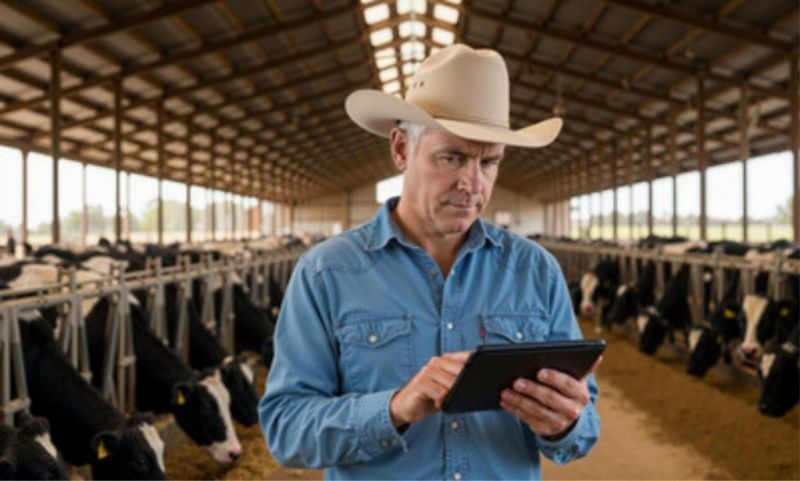
Fernando Zimmermann, president of the Associação das Pequenas e Médias Indústrias de Laticínios do Rio Grande do Sul (Apil), urged companies to prepare before the new rules take effect. He said differences in how individual products are taxed would affect costs, prices and especially cash flow. Recommended preparations include checking products’ tax classifications, reviewing supplier and customer contracts, and revising procedures for buying milk from farmers. Companies should also plan how to use accumulated credits from the Programa de Integração Social (PIS) and the Contribuição para o Financiamento da Seguridade Social (Cofins), he said.
The reform will abolish PIS and Cofins in 2027, when collection of the Contribuição sobre Bens e Serviços (CBS) begins. Legislation assigns a zero rate to specified items in the national basic food basket, including liquid milk, milk powder, butter and certain cheeses. Yoghurts and dairy drinks are excluded from that list, while other dairy products will receive different treatment. Zimmermann described the situation as still highly uncertain and said information and planning would be essential to preserving companies’ competitiveness.
Iuri Von Brock, a tax lawyer and partner at Borghetti & Von Brock Advogados Associados, explained that a zero rate on sales does not remove taxes paid earlier in the supply chain. Those payments become credits, making the timing of reimbursement important. Businesses selling zero-rated goods still buy packaging, energy and freight services, he noted. In his assessment, manufacturers focused on basic-basket products are likely to maintain a persistent credit balance and depend on refunds. A credit arises only once the supplier has actually paid the tax.
Von Brock identified product classification as the most immediate tax exposure. Cheeses not specifically named in the legislation, including colonial cheese, risk attracting the full rate. He said tax inspectors already challenge dairy-drink classifications under the IPI tax and expected disputes to increase when similar products face different rates. He recommended reviewing each item’s NCM classification now. Another issue concerns presumed credits for milk purchased from rural producers who are not taxpayers under the new system: the applicable percentages remain unsettled. Von Brock advised modelling a range of percentages to assess raw-material costs and whether encouraging suppliers to enter the regular tax regime would be worthwhile.
The Programa Mais Leite Saudável also requires preparation. Qualified companies currently receive presumed PIS and Cofins credits on purchases of raw milk. Abolishing those contributions will end the creation of new credits. Complementary Law No. 214/2025 governs the use of existing balances, but Von Brock said its application to the programme remains disputed. He recommended identifying and documenting those balances during 2026.
In Rio Grande do Sul, the gradual replacement of ICMS by IBS will reduce state-level presumed credits between 2029 and 2032, before ICMS disappears in 2033. The constitution provides for a fund to compensate tax benefits granted subject to conditions. However, eligibility is uncertain for some incentives in the state, and applications are subject to a deadline. Von Brock urged companies relying on such benefits to check whether they qualify for compensation.
Von Brock also advised companies to use the established product-rate categories and a reasonable range of presumed-credit assumptions to construct scenarios, revise prices and renegotiate contracts before January. He argued that businesses could undertake this work while further regulation was pending, rather than postponing preparations until all rules were settled.