Brazil accounts for 78% of Latin America's agtechs, Embrapa reports
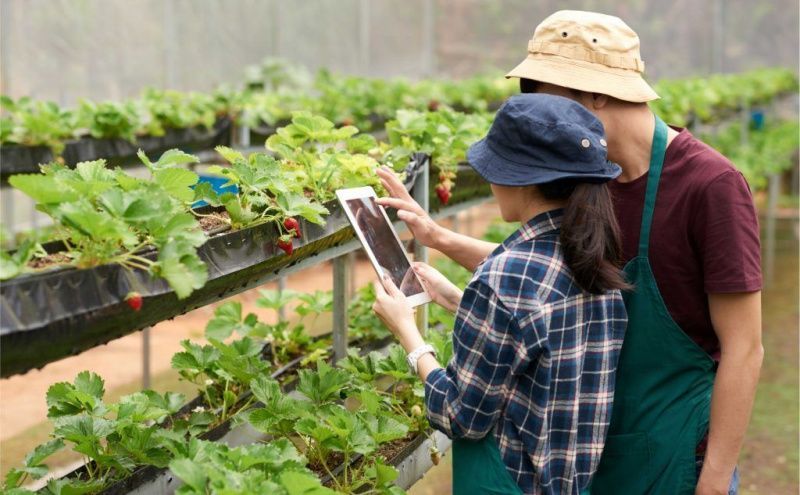
Embrapa and the Inter-American Institute for Cooperation on Agriculture mapped 2,656 agritech startups operating in 23 countries across Latin America and the Caribbean. Brazil was home to 2,075 of those companies, giving it 78% of the total identified by the study.
The companies are active in areas including precision agriculture, artificial intelligence, automation, remote monitoring and traceability. The report describes the regional ecosystem as still developing, while identifying Brazil as its main concentration of activity.
The survey also points to a gap in the management of agricultural cooperatives. Many cooperatives continue to use systems designed for conventional businesses rather than software adapted to their legal, accounting and tax frameworks. Their activities include sourcing, logistics and sales, including transactions involving foreign markets.
São Paulo illustrates the scale of the cooperative-management challenge. Data from Cepea/Esalq-USP for 2024 show that the state generated 24% of Brazil’s agribusiness GDP and that agribusiness represented almost 19% of the state’s economy. São Paulo was also Brazil’s largest agricultural exporter that year, with sugar and ethanol, meat, soy and juice among the leading export complexes.
Luis Carlos Crema, chief executive of SOLTERRA Soluções Inteligentes, said that technology for agricultural production had advanced while cooperative management still lacked tools tailored to its operating requirements. He said the issue was particularly relevant to high-volume businesses with substantial international activity.
Tax changes will add a further requirement from 2027. PIS and Cofins are scheduled to be replaced by the Contribution on Goods and Services, or CBS, and rural producers will enter the tax system under the new arrangement. Individuals with annual turnover above 3.6m reais will become mandatory taxpayers, making the creation and use of tax credits part of negotiations among producers, cooperatives, grain merchants and agribusiness processors.
The source describes 2026 as an adjustment period in which businesses can revise procedures before the new rules take effect. Crema said that without integration between farm and cooperative management, producers might recognise the financial consequences only after they had occurred. “The rural producer will enter a new tax model without previous experience in this environment. If there is no integration between the management of the farm and the cooperative, many will only realise the financial impact after it occurs. The sooner this organisation is carried out, the smaller the likely effect on the harvest cash flow,” he said.