bioMérieux and CoThink: combining microbial data with root-cause analysis in dairy production
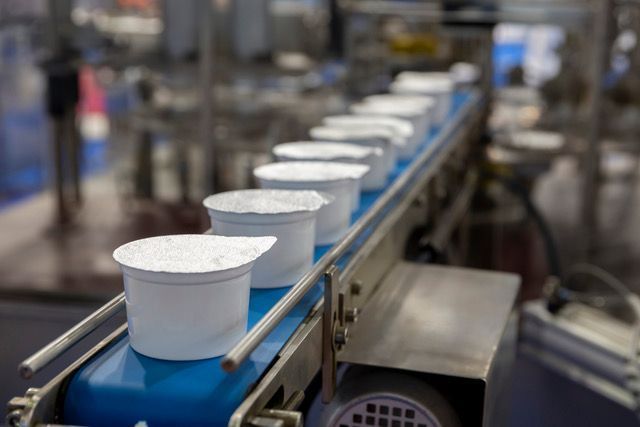
Dairy producers can face repeated contamination incidents despite improvements in microbiological testing, according to the account from microbiology specialist bioMérieux and root-cause analysis specialist CoThink. Responses based on assumptions or standard corrective procedures can involve expensive, disruptive interventions without establishing why a problem occurred. Production may restart before a subsequent incident prompts another investigation. The companies describe costs encompassing discarded products, sanitation, energy, staff time, reprocessing and the diversion of dairy products into animal feed. These expenses can run into thousands of euros; in severe cases where the underlying problem remains unresolved, losses can exceed €1 million. In one yoghurt factory, a single contamination incident generated more than €300,000 in direct and indirect costs, including finished products, energy and waste treatment, substantially affecting its annual financial performance.
Contamination investigations can require batches to be held, additional cleaning and prolonged work by factory teams. Repeated incidents place pressure on staff to absorb quality-related expenses while restoring production, alongside risks of unfulfilled orders and reputational damage. The specialists identify fragmented evidence as a recurring difficulty: laboratory results can establish that a microbiological deviation has occurred without explaining the events behind it. Teams working without an organised investigative method may interpret results through previous experience or untested assumptions. The account also describes increasing regulatory expectations and financial pressure as factors behind greater attention to systematic investigation. Its proposed approach brings together laboratory findings, manufacturing conditions and observations from the factory environment to examine how an incident developed.
The possible origins of contamination include incoming ingredients, production machinery, microorganisms persisting in the surrounding environment and staff activities. Several conditions may interact, rather than a single equipment or procedural failure accounting for the incident. Areas downstream of pasteurisation are particularly sensitive because a hygiene or process-control lapse can contaminate finished products. Machinery design, working practices and the way cleaning and disinfection are performed also affect whether microorganisms persist. Conventional tests remain useful for detecting particular organisms at selected sampling locations, but individual results may not reveal how contamination changes across a site or over time. Establishing the relationship between an observed deviation and its causes therefore requires evidence from more than one source, the specialists argue.
One case concerned a factory producing aseptically packaged UHT milk that had experienced intermittent but consequential contamination for several months. An investigation combining genomic techniques with structured causal analysis identified two separate origins: an incoming raw material and a biofilm within the production process. The resulting action plan reflected both findings and the information gathered about the spoilage organisms. More broadly, bioMérieux uses whole-genome sequencing and metagenomics to support such investigations. DNA-based examination of microbial communities can explore the wider factory ecosystem, including organisms beyond those routinely targeted by existing monitoring programmes or recovered through culture. The companies say this evidence can help investigators recognise repeated contamination patterns, locate possible microbial reservoirs and follow changes in populations over time.
The account places equal emphasis on interpreting results. Larger datasets can make an investigation more complicated if teams lack a disciplined way to assess them. Root-cause analysis examines the mechanisms and conditions that allow a deviation to occur, with the aim of determining what must change to prevent repetition. The skills described include systematically examining possible explanations, using a shared investigative vocabulary, separating demonstrated facts from assumptions and mapping causal relationships visually. Participation by people from different functions brings additional perspectives into the investigation. According to the specialists, consistent use of these methods can limit cognitive bias and help teams base decisions on evidence rather than intuition. They present the capability as part of developing a deeper understanding of production processes as well as a means of investigating individual incidents.
The proposed workflow starts with dependable detection, followed by assembling relevant laboratory results, operating parameters and environmental observations. Investigators then use a structured method to define the deviation precisely, develop possible explanations and narrow them down. Microbiological findings provide evidence for accepting or rejecting those explanations. Corrective measures and preventive work are subsequently directed at the causes established by the investigation. The specialists caution against listing every conceivable cause and checking all of them indiscriminately, which they say generates extra work and suspicion. Their approach instead links analytical testing with an organised assessment of the evidence, allowing individual observations to be considered within the wider manufacturing environment.
bioMérieux and CoThink say the operational benefits of combining these methods include more efficient investigations, less time and effort spent resolving deviations, and corrective measures more closely matched to the identified problem. They also describe potential reductions in repeat incidents and related expenditure. For quality management, the stated benefits include more dependable production outcomes and stronger manufacturing systems. Structured records of investigative work can support compliance with regulatory requirements. The companies further associate the approach with closer collaboration between teams, greater confidence when dealing with complex incidents and continuing improvements in factory quality practices.