Asaja de León to challenge €30 million fertiliser aid programme in court
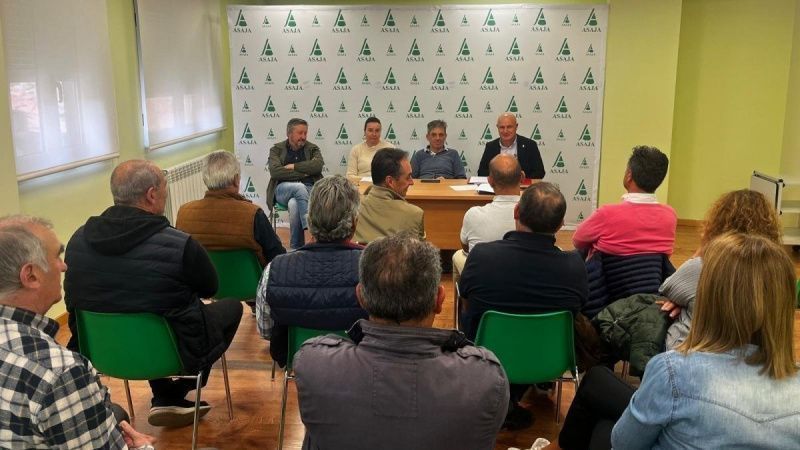
The decision was taken at a board meeting devoted to examining the regional Department of Agriculture's proposal and defining Asaja's response. The organisation argues that the proposed conditions would cause economic harm to farming in León. Its objections concern both the crops eligible for support and the treatment of irrigated land. It maintains that fertiliser use on crops grown with modernised irrigation systems can be four times that of rainfed crops, and therefore rejects equal subsidies for the two systems.
Approximately 75,000 hectares of maize have been planted in León, making it the province's most widely grown crop. The province has a total of 140,000 hectares of irrigated land. León also ranks first in irrigated crop production within Castile and León. Asaja believes these characteristics mean that the regional proposal's requirements would disadvantage a crucial share of León's farms, both through the exclusion of maize and through the amount proposed for irrigated land.
José Antonio Turrado, Asaja's provincial secretary, had announced that the organisation's lawyers would begin preparing an application for an interim injunction. The aim is to halt the distribution of funds while the courts resolve the dispute. Turrado described the proposal as “an economic injustice involving a very substantial amount of money for the province of León” and challenged the department's criteria on the grounds that they disadvantage León's farmers. The agreed legal action seeks to prevent the funds from being distributed before the dispute is resolved.
As a precedent, Asaja cited the Ministry of Agriculture's programme to offset rising fertiliser costs. Castile and León received €115 million through that mechanism. The organisation recalled that fallow land was the only exclusion from that allocation and that irrigated land received a higher amount than rainfed land. Asaja contrasts those conditions with the information it has about the forthcoming regional aid scheme, which envisages equal payments for both production systems.
The new programme's budget combines two sources of funding: the regional government will contribute €20 million from its own resources, while a further €10 million will come from the European Union through the Ministry of Agriculture. Asaja maintains that the source of the money does not justify the proposed eligibility conditions. The organisation considers them arbitrary and unlawful, arguments that underpin its opposition to the planned allocation.
Ucale-Coag also voiced its opposition on Friday to the proposal's known requirements and demanded an immediate correction. It is calling for maize-growing and irrigated farms to have access to the aid on equal terms with other farmers. The organisation highlighted León's leading position in maize acreage and production, noting that thousands of farming families face higher costs for fertilisers, energy, water and plant protection products.
Ucale-Coag's provincial executive called for the rules to be revised before the aid application process proceeds. It questioned why a measure intended to ease rising input costs would exclude a crop it considers one of the main drivers of León's agricultural economy. It also objected to the proposal's aim of improving farm profitability and promoting irrigated areas while leaving out the province's predominant crop.









