Animal-identification market forecast to reach $2.78 billion by 2031
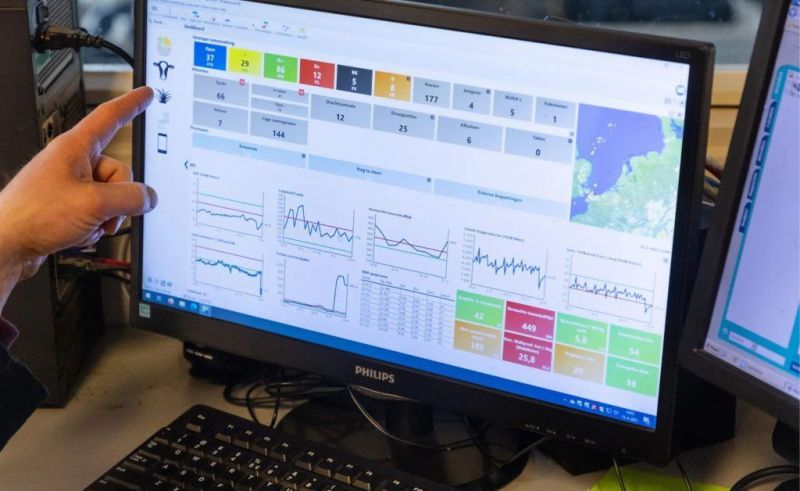
Demand for animal identification is being driven by the potential to limit financial losses and deaths through disease tracing, growing adoption of automation and internet-connected devices, demand for real-time identification and the use of data in management decisions. Suppliers are competing through product introductions, acquisitions, partnerships and other collaborations. The technologies address different aspects of livestock management, including establishing an animal’s identity, locating it and documenting its ownership and history.
Radio-frequency identification, or RFID, brings together electronic tags, reading devices and management software. Each tag stores a unique number and can take the form of an ear tag, an implant beneath the skin or a bolus placed in the animal’s stomach. Fixed or handheld readers retrieve the number wirelessly, reducing manual identification and human error while making animals easier to locate during transport, sales and audits. The identifier also provides evidence of ownership for auctions, ownership transfers, insurance claims and the recovery of stolen livestock. During disease outbreaks or contamination incidents, it helps producers and authorities trace the origins of animal products.
GPS collars and ear tags provide real-time location tracking, including across large grazing areas. Virtual boundaries, known as geofences, trigger notifications when livestock move beyond a designated perimeter, helping prevent animals from straying onto roads or neighbouring holdings. Location records also reveal grazing patterns and support pasture management. Low-energy Bluetooth, or BLE, offers tags with long battery life, reducing maintenance costs. Chinese company Xminnov’s waterproof BT05L ear tag performs automated online inventory checks, measures the temperature around the animal and tracks its activity, transmitting readings to a base station.
Combining RFID identifiers with GPS readings and sensor measurements creates data records covering the whereabouts, health and movements of individual animals. These integrated systems support traceability between the farm and the market. If disease breaks out or a product is recalled, the accumulated records allow the animals concerned to be identified quickly.
Artificial intelligence provides another means of establishing identity through biometric features, including facial and retinal recognition, principally in cattle. It also automates observation of animal health and activity. An identifier produced through these methods can be entered into a blockchain ledger alongside records of ownership, vaccination, breeding and movement. The ledger preserves that history in a form that cannot be altered.
A shared blockchain record gives participants throughout the supply chain, from livestock producers to distributors, access to the same verifiable information. Smart contracts can automate regulatory compliance and reduce disputes. Linking biometric information with a digital ownership record also provides evidence for addressing cattle theft and fraudulent ownership claims.
Genetic identification uses blood, hair or tissue samples to connect an individual animal with its genetic profile. This biological record helps establish identity and prevent fraud, while allowing health and reproductive histories to be followed throughout the animal’s life.