Algeria temporarily closes cattle imports ahead of Baladna’s planned 30,000-cow airlift
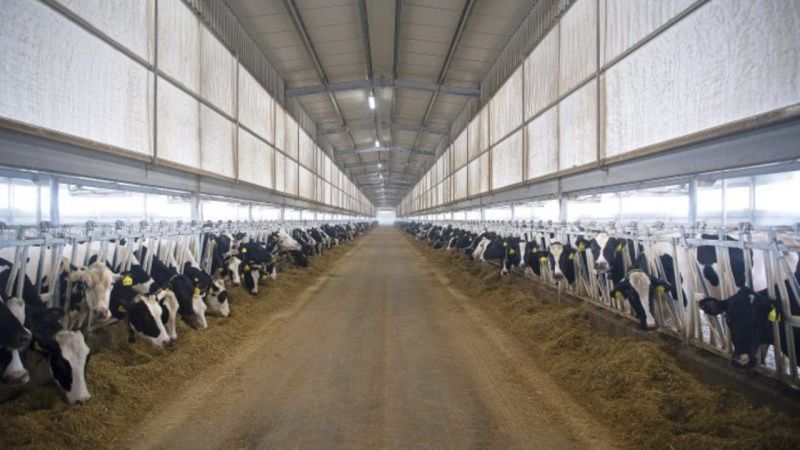
Baladna signed agreements just over a year ago to establish an integrated dairy-farming and milk-powder operation in Algeria. The company formed a joint venture with the Algerian government through the National Investment Fund, with the overall investment reported at $3.5 billion. Spending on the project’s first phase had already exceeded $500 million when Baladna announced the second-phase contracts.
The development includes a processing plant to be built by GEA and a network of farms supplying it. Plans envisage more than 270,000 cows across 117,000 hectares. Construction of the powder facility is already well advanced; once completed, it is expected to meet as much as half of Algeria’s demand for powdered milk.
For the second phase, Baladna planned 109 flights transporting more than 30,000 Holsteins from the United States to Algeria. The company described the operation as among the largest coordinated movements of livestock by air worldwide. The planned deliveries were understood to span ten months, with roughly ten consignments departing each month and around 300 animals in each shipment.
According to Baladna, the arrival schedule was intended to support the start of operations and development of the herd. The cattle were being procured in nine states: Arizona, California, Colorado, Idaho, Indiana, Iowa, Kansas, Texas and New Mexico. Agriland reported the closure of Algeria’s market to cattle imports.
Baladna said it had selected air transport despite its greater expense. The company cited closer oversight of veterinary care and stronger biosecurity as reasons for flying the animals across the Atlantic. It also said the transport arrangements were intended to ensure that the cattle could be incorporated into the operation on schedule.
The company expects the facility to create 15,000 jobs in the surrounding Algerian community. It also anticipates another 1,200 jobs in the United States associated with acquiring and transporting the dairy herd. Baladna estimates that those procurement and logistics activities will contribute approximately $250 million to $300 million to the US economy.