Agriculture Victoria urges intensive haystack checks for first two to three weeks
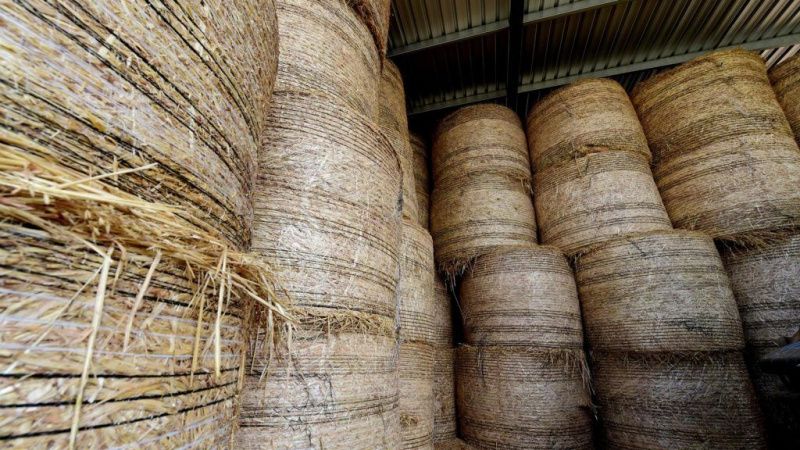
Damp hay or forage that has not finished curing can become a fire hazard when bales are placed in sheds. Fires involving stored fodder destroy feed, machinery and farm buildings on Australian dairy farms each season. Extension specialists recommend leaving generous gaps between bales and arranging them loosely when moisture is close to the recommended limit, rather than building large, tightly packed blocks inside enclosed storage buildings.
Heating starts when forage is baled while plant cells remain alive and moisture exceeds suitable storage levels. The recommended moisture ceiling generally falls between 14% and 18%, depending on how densely the bale is packed. Respiration by plant material, together with the activity of fungi and oxygen-dependent bacteria, produces heat. These microbes consume soluble carbohydrates and proteins, releasing additional moisture as well. A tightly insulated stack can retain that heat, allowing its internal temperature to rise.
Further heating can set off the Maillard reaction, which binds crude protein to structural fibre and reduces the feed’s digestibility. Jolliffe, a dairy extension officer based in Hamilton, identifies several external signs of trouble: droplets forming underneath a shed’s corrugated-metal roof, vapour escaping through gaps between bales, and pockets of warm air near the upper layers. Sweet smells resembling tobacco, or sharp odours suggesting burning, also warrant attention.
Agricultural authorities recommend checking internal heat by pushing a clean steel crowbar well into the stack and leaving it there for about two hours. A bar that remains comfortably warm indicates a temperature below 50°C and normal curing; weekly inspections should continue. Between 50°C and 60°C, the metal becomes uncomfortable to hold for an extended period. This calls for daily checks, attention to steam and unusual smells, and preparation of equipment and ventilation arrangements.
At 60°C to 70°C, a crowbar can be handled only momentarily. The guidance calls for immediately separating the bales in an open paddock so that heat can escape. Firefighting equipment must be ready at the site, including water tankers and hoses: exposing smouldering material to fresh air can cause flare-ups. The instructions change when temperatures exceed 70°C, the metal cannot be touched, or smoke appears. Farmers should leave the bales undisturbed, avoid admitting oxygen, evacuate the shed and call Triple Zero or local fire authorities.
Farm-safety bodies also warn against climbing onto a stack that is heating. Combustion inside the stored hay can burn out its centre, leaving concealed cavities and unstable, charred material. The surface may then give way beneath a person, dropping them into extremely hot coals. The warning applies even when the damage inside the stack cannot be seen from outside.
Machinery near a dangerously hot stack should be cleared away as part of the emergency response. Safety guidance also recommends moving valuable tractors, telehandlers and other implements out of hay-storage sheds during the curing period, to avoid losing the equipment if the fodder ignites.